

Your heart is the engine room of your body—working quietly in the background, pumping blood to every organ, tissue, and cell. It beats around 100,000 times a day, helping to deliver oxygen and nutrients where they’re needed, and removing waste products. Understanding how the cardiovascular system works can help you appreciate the importance of maintaining good heart health throughout life, especially as you get older.
By learning the basics of human heart anatomy and circulation, you can take proactive steps to support your wellbeing. Whether you’re in your 30s, 40s, 50s or beyond, it’s never too early—or too late—to look after your heart.
The Heart: Your Body’s Pump
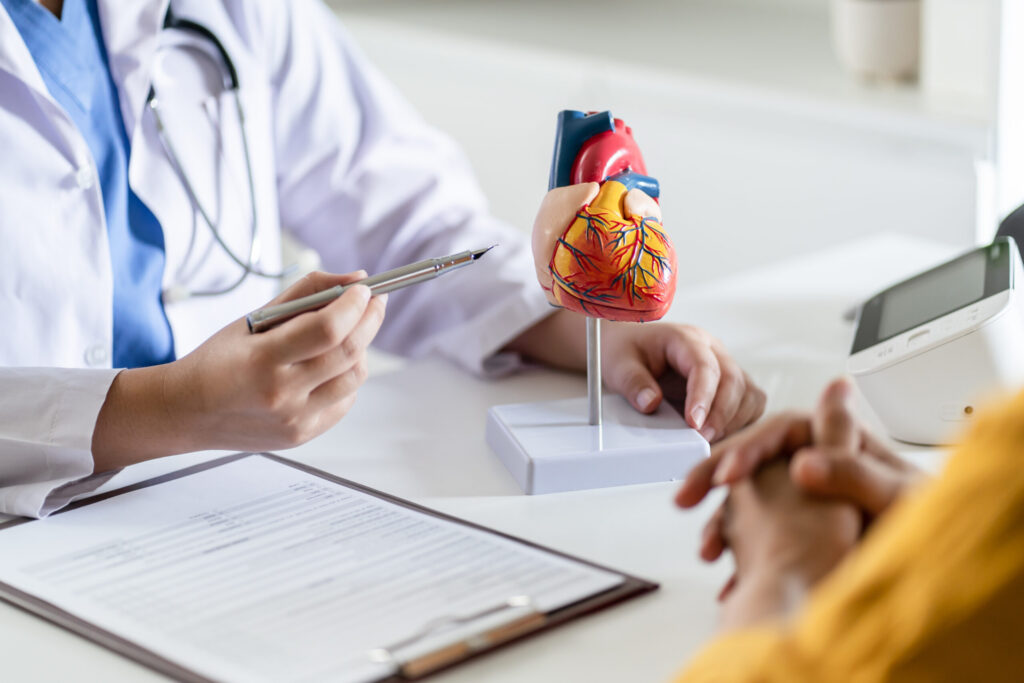
The human heart is a strong, muscular organ, roughly the size of your fist, located slightly left of centre in your chest. It acts as a pump that keeps blood flowing continuously through the circulatory system, delivering essential oxygen and nutrients to other organs and muscles around the body, and also carrying away waste and carbon dioxide.
The heart has four chambers: two upper chambers (the left and right atria) and two lower chambers (the left and right ventricles). The chambers on the right side of the heart handle oxygen-poor blood returning from the body and pumping it through the lungs. The left side manages oxygen-rich blood from the lungs, pumping it rhythmically to the rest of the body.
Between the chambers are valves—small but crucial structures that open and close with each heartbeat. These valves ensure blood flows in the right direction, preventing any backflow, like one-way gates, helping blood traffic move smoothly through the system.
Arteries and Veins: The Blood Highway
Once blood leaves the heart, it travels through an intricate network of blood vessels. Arteries carry oxygen-rich blood away from the heart to the body, while veins return oxygen-poor blood back to the heart. Even smaller blood vessels, called capillaries, connect your arteries and veins, helping to deliver oxygen-rich blood to tissues around the body and remove carbon dioxide and waste. Together, these vessels form a complex oxygen and nutrient transport system that’s approximately 100,000 km long.
Arteries are like high-pressure motorways, quickly moving oxygenated blood to organs and muscles. Veins, on the other hand, are more like slower roads, carrying used blood back to the heart to begin the cycle again.
Just as road systems need to be kept clear and well-maintained, so too do your blood vessels. When they function efficiently, helping support consistent energy, brain function, and healthy organs, but if there is a blockage or something wrong with them, congestion happens, which puts pressure on the whole system, and this can lead to problems developing.
How Blood Circulates Through the Body
Blood flow happens through two major loops: pulmonary and systemic circulation.
Pulmonary circulation moves blood from the right side of the heart to the lungs, where the blood releases carbon dioxide and picks up oxygen. It then returns to the left side of the heart full of oxygen and ready for the next journey.
Systemic circulation begins as oxygen-rich blood leaves the left side of the heart and travels through the arteries to nourish the rest of the body, and all its muscles and organs. After the exchange of gases and nutrients to help everything in the body function as it should, the blood returns to the heart through the veins to begin the process again.
This continuous circulation is essential—it fuels every function in the body, from thinking and movement to digestion and healing. When circulation is functioning efficiently, you feel energised and well-supported.
Know Your Heart: Why Awareness Matters

Understanding how your heart works isn’t just for science buffs—it’s for anyone who wants to stay healthy and active as they age. Knowing the basics of human heart anatomy and circulation empowers you to make informed choices for better heart health.
Simple lifestyle changes can make a big difference. A balanced diet can support heart health, regular physical activity helps keep your cardiovascular system strong, and staying motivated with small goals keeps you on track. If you’re aged over 50, it’s also a great time to consider a regular heart health check with your doctor.
You can also speak with a healthcare professional for personalised advice.
By taking a moment to understand how the heart, arteries, and veins work together, you’re already taking the first step towards better health. A healthy heart doesn’t need complicated changes—just consistent, mindful ones.
Caring for your heart starts with simple knowledge and small daily choices. Make the time to learn more, move more, and eat well. Your future self will thank you for it.